Klarson: A Modern Textured Display Font for Creative Projects
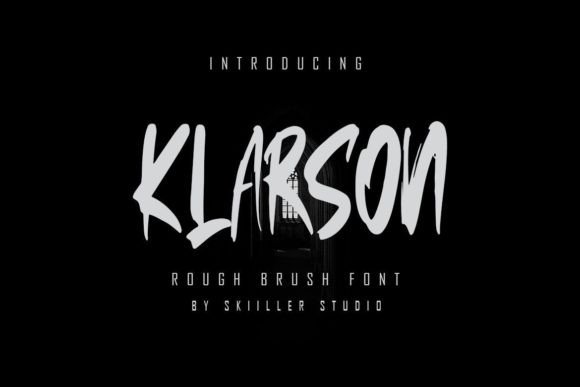
Klarson is a modern textured display font designed to add visual interest and character to a wide range of design projects. Its unique texture and stylized letterforms make it a popular choice for designers looking to create eye-catching visuals. Whether used in food posters, logos, music covers, or clothing designs, Klarson offers a distinctive aesthetic that can elevate the overall look of a project.
What Is Klarson?
Klarson is a display font characterized by its bold, textured appearance. It combines elements of traditional typography with a contemporary twist, making it suitable for both digital and print applications. The font features varying levels of detail in its strokes, which contribute to its dynamic and engaging visual style. This makes it ideal for situations where a strong visual impact is desired.
The font is available in multiple weights and styles, allowing users to choose the version that best suits their design needs. Its versatility makes it a valuable tool for designers working on various types of projects, from branding to editorial layouts.
Why Consider Klarson?
Designers may be drawn to Klarson for several reasons. Its textured appearance can add depth and dimension to a design, making it stand out in a crowded visual landscape. This quality makes it particularly effective for use in areas such as food posters, where a visually appealing font can enhance the overall appeal of the message.
Additionally, Klarson’s modern aesthetic aligns well with current design trends, making it a relevant choice for projects that aim to convey a sense of innovation or creativity. Its ability to work well in both large and small sizes also adds to its practicality, as it can be used for headings, logos, or even body text in certain contexts.
Benefits of Using Klarson
One of the primary benefits of Klarson is its ability to add a unique visual identity to a design. The font’s texture and stylized letters can help differentiate a project from others, making it more memorable to the audience. This is especially important in competitive markets where brand recognition plays a key role.
Klarson also offers flexibility in terms of application. It can be used in a variety of design formats, including digital media, print materials, and even packaging. This adaptability makes it a useful asset for designers who need a font that can perform across different platforms and mediums.
Another advantage of Klarson is its readability in larger sizes. While it may not be the best choice for long blocks of text, it works well for headlines, titles, and other short-form content. This makes it an excellent option for designers looking to create impactful visual statements without compromising legibility.
Tradeoffs and Considerations
Despite its strengths, Klarson may not be the best choice for every design project. Its textured appearance can sometimes make it less readable in smaller sizes or when used in dense text blocks. Designers should consider the context in which the font will be used and ensure that it complements the overall layout rather than detracts from it.
Additionally, the font’s stylized nature may not align with all design aesthetics. For projects that require a more minimalist or clean look, alternatives with simpler forms may be more appropriate. It’s important to evaluate whether Klarson fits the intended tone and message of the design.
Another consideration is the availability of the font. While Klarson may be accessible through various font marketplaces, users should verify that it is properly licensed for their specific use case. This is particularly important for commercial projects where font licensing compliance is essential.
Situations Where Klarson Excels
Klarson is particularly well-suited for projects that require a strong visual presence. Food posters, for example, can benefit from the font’s textured appearance, which can evoke a sense of authenticity and craftsmanship. Its bold style can also be effective for music covers, where a distinctive font can help capture the essence of the album or artist.
In the realm of clothing design, Klarson can be used to create eye-catching logos or labels that reflect the brand’s identity. Its modern aesthetic can resonate with audiences looking for fresh and innovative design solutions. Similarly, in editorial layouts, the font can be used to highlight key sections or create a cohesive visual theme.
When Alternatives May Be Better
For projects that prioritize simplicity or minimalism, alternative fonts may offer a more suitable solution. Fonts with cleaner lines and less texture can provide a more refined and professional appearance, which may be preferable in certain contexts. Designers should consider the overall visual language of their project before selecting a font.
Additionally, for projects that require high readability in extended text, a sans-serif or serif font may be a better choice. These types of fonts are typically easier to read in large quantities and can maintain clarity across different sizes and formats.
It’s also worth exploring other textured fonts if Klarson does not meet specific design requirements. There are numerous alternatives available that offer similar characteristics but may have slight variations in style, weight, or structure. Testing different options can help ensure the best possible outcome for the project.
Decision-Making Insights
When deciding whether to use Klarson, designers should consider the goals of the project and the intended audience. If the objective is to create a bold and distinctive visual identity, Klarson can be an effective choice. However, if the focus is on clarity, simplicity, or a more traditional aesthetic, other fonts may be more appropriate.
It’s also advisable to test the font in different contexts to see how it performs. This includes evaluating its readability, scalability, and compatibility with other design elements. By experimenting with the font in real-world scenarios, designers can gain a better understanding of its strengths and limitations.
Ultimately, the decision to use Klarson should be based on a thoughtful evaluation of the project’s needs and the designer’s creative vision. By considering factors such as visual impact, readability, and design fit, users can make informed choices that align with their goals and expectations.