Madrid: A Nostalgic Design Choice with Timeless Appeal
Madrid is more than just a font—it’s a design philosophy that brings a playful, nostalgic energy to any visual project. With its vintage aesthetic and retro charm, Madrid offers a unique way to evoke the past while maintaining modern usability. For designers and creators looking to infuse their work with a sense of history and character, Madrid stands out as a compelling option.
Unlike many contemporary fonts that prioritize clean lines and minimalism, Madrid embraces imperfections and organic shapes. This makes it particularly well-suited for projects that aim to convey warmth, creativity, or a sense of authenticity. Whether used in branding, packaging, or editorial design, Madrid can add a distinctive personality that sets a project apart.
What Makes Madrid Distinct?
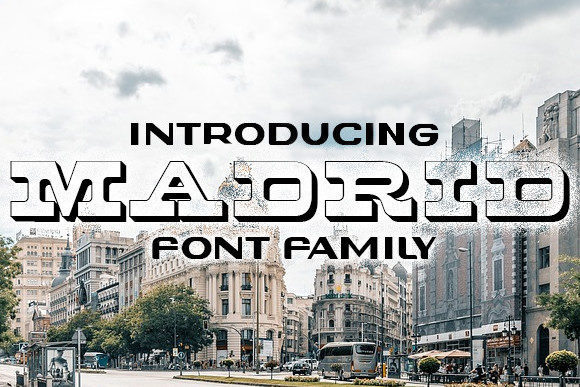
At its core, Madrid is a serif font with a hand-drawn feel. Its letterforms are slightly irregular, mimicking the natural variations found in traditional typography. This gives it a handmade quality that feels both familiar and fresh. The font’s subtle curves and uneven strokes create a sense of movement, making it ideal for designs that seek to feel dynamic and expressive.
One of Madrid’s most notable features is its ability to blend nostalgia with versatility. While it has a clear retro influence, it doesn’t sacrifice readability. This balance allows it to work across a range of applications, from casual logos to more formal documents. Its adaptability makes it a go-to choice for designers who want to maintain a cohesive visual identity without relying on overly modern or rigid typefaces.
Madrid also excels in creating a mood. Its playful yet sophisticated style can be used to communicate different tones depending on context. For example, it might feel whimsical in a children’s book cover but elegant in a boutique coffee shop sign. This flexibility is one of its greatest strengths, allowing it to fit into various creative scenarios without losing its identity.
How Madrid Compares to Similar Options
When considering alternatives to Madrid, it’s helpful to look at other fonts that share its vintage appeal. Fonts like Bebas Neue, Playfair Display, or Great Vibes all offer a retro or artisanal feel, but they each have distinct characteristics. Bebas Neue, for instance, is more angular and bold, while Playfair Display leans toward elegance and refinement. Great Vibes, on the other hand, has a more fluid, cursive style that’s less structured than Madrid.
Compared to these options, Madrid strikes a middle ground. It’s not as dramatic as Great Vibes or as formal as Playfair Display. Instead, it offers a balanced approach that’s both expressive and functional. This makes it a good choice for projects that need a touch of personality without overwhelming the overall design.
Another key difference lies in how Madrid handles different sizes and formats. While some vintage-style fonts may become too ornate at smaller sizes, Madrid maintains clarity and legibility. This makes it suitable for both large-scale displays and detailed text, giving it a broader range of applications than many similar fonts.
Strengths and Tradeoffs of Using Madrid
The primary strength of Madrid is its ability to convey a sense of nostalgia without being overly dated. Its design avoids the clichés often associated with retro fonts, instead offering a more refined and modern interpretation of vintage typography. This makes it appealing to a wide audience, including those who may not typically gravitate toward older styles.
Another advantage is its ease of use. Madrid is available in multiple weights and styles, which simplifies the process of integrating it into different design projects. This flexibility allows designers to experiment with various combinations while maintaining a consistent visual language.
However, Madrid is not without its limitations. Its hand-drawn nature means that it may not be the best choice for highly technical or minimalist designs. In such cases, a more streamlined font might be more appropriate. Additionally, because of its unique style, Madrid may not always pair well with other fonts, requiring careful consideration when building a typographic hierarchy.
For users who are new to vintage-style fonts, Madrid can be a great starting point. It offers enough character to stand out while remaining accessible enough to work in a variety of contexts. This makes it an excellent choice for designers looking to explore retro aesthetics without committing to more extreme or niche options.
When Madrid Is the Right Choice
Madrid is particularly well-suited for projects that aim to evoke a sense of warmth, creativity, or storytelling. It works well in branding for businesses that want to feel approachable and authentic, such as independent cafes, artisanal shops, or creative studios. Its playful yet polished look can help establish a strong visual identity that resonates with a specific audience.
In editorial design, Madrid can be used to add a personal touch to magazines, newsletters, or promotional materials. Its expressive style can make text more engaging and memorable, especially when used in headings or titles. This makes it a valuable tool for designers who want to create content that feels human and relatable.
Madrid is also a good fit for digital media, including websites, social media posts, and app interfaces. Its legibility at different sizes ensures that it remains effective across platforms, while its unique style helps differentiate a brand or message from others. This combination of practicality and personality makes it a versatile choice for modern design challenges.
When to Consider Alternatives
While Madrid is a strong option, there are situations where another font might be more appropriate. For example, if a project requires a more formal or corporate tone, a cleaner, more structured font may be better suited to the task. Similarly, if the goal is to create a highly modern or futuristic look, a sans-serif or geometric font could provide a more relevant aesthetic.
Designers should also consider the target audience when choosing a font. If the intended audience prefers a more traditional or conservative style, Madrid might not align with their expectations. In such cases, a more conventional font could be a safer choice.
Additionally, when working on multi-platform projects, it’s important to test how Madrid performs in different environments. While it generally works well, there may be instances where it doesn’t render as expected, especially on certain devices or software. This is a factor to keep in mind when selecting a font for broad use.
Realistic Use Cases for Madrid
One common use case for Madrid is in branding for small businesses or startups. A local bakery, for instance, might use Madrid in its logo to communicate a sense of craftsmanship and tradition. The font’s friendly and inviting appearance helps build trust with customers while standing out from more generic options.
Another example is in event invitations or promotional materials for cultural or artistic events. Madrid can add a stylish, personalized touch that enhances the overall experience. Whether used for a gallery opening, a music festival, or a community gathering, it helps set the tone and create a cohesive visual theme.
Madrid is also useful in digital marketing campaigns. Social media posts, email newsletters, and website headers can benefit from its expressive style, making content more engaging and visually appealing. This makes it a valuable asset for marketers looking to connect with audiences through thoughtful design choices.
Conclusion: Madrid as a Thoughtful Design Tool
Madrid offers a unique blend of nostalgia and modernity that can enhance a wide range of design projects. Its hand-drawn aesthetic and versatile application make it a compelling choice for designers seeking to add character and personality to their work. While it may not be the best fit for every situation, it provides a refreshing alternative to more conventional fonts, especially when a retro-inspired look is desired.
By understanding its strengths, limitations, and best-fit scenarios, designers can make informed decisions about when and how to use Madrid. Whether for branding, editorial work, or digital media, it has the potential to elevate a project with its distinctive charm and timeless appeal.