South Beach: A Stylish Font for Creative Expression
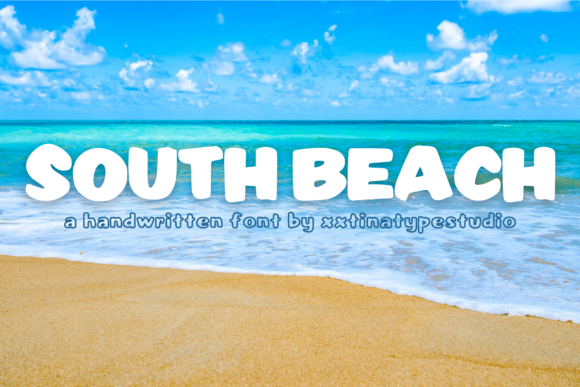
The South Beach font is more than just a typeface—it's a design statement. With its clean lines, charming curves, and modern aesthetic, it has become a favorite among designers, artists, and branding professionals. Available in two distinct styles, South Beach offers flexibility that suits a wide range of creative projects. Whether you're working on a logo, a t-shirt design, or a digital campaign, this font can elevate your work with its unique personality.
One of the standout features of South Beach is its versatility. The font maintains a strong visual identity while adapting to different contexts. Its legibility at various sizes makes it suitable for both large-scale displays and smaller text elements. This adaptability ensures that it remains a go-to choice for designers looking to maintain consistency across multiple platforms and mediums.
Understanding the Characteristics of South Beach
South Beach is designed with a balance between structure and creativity. The font’s uppercase letters have a slightly rounded appearance, giving it a friendly and approachable feel. Meanwhile, the lowercase characters retain a sharpness that adds contrast and visual interest. This combination creates a dynamic look that is both modern and timeless.
The two available styles of South Beach cater to different design needs. One style might emphasize a more minimalist approach, ideal for clean and contemporary designs. The other could offer a bolder, more expressive version that stands out in a crowded visual landscape. By offering these variations, South Beach allows designers to choose the right tone for their specific project.
Another notable characteristic is the font’s spacing. South Beach is carefully crafted to ensure even distribution of white space, which enhances readability without sacrificing style. This attention to detail makes it an excellent choice for both print and digital formats, where clarity and aesthetics are equally important.
Applications of South Beach in Design Projects
South Beach finds its place in a variety of design applications. For instance, in logo creation, the font’s distinctive shape can help a brand stand out while maintaining a professional appearance. Its charm and neatness make it particularly effective for businesses that want to convey a sense of sophistication without being overly formal.
In the realm of t-shirt printing, South Beach shines as a bold and eye-catching option. Whether used for slogans, band names, or personal expressions, the font’s visibility and style make it a popular choice among apparel designers. Its ability to translate well into screen printing and digital printing ensures that it looks great on fabric as well as on paper.
For creative products such as packaging, stationery, or promotional materials, South Beach adds a touch of personality. Its clean and modern look aligns well with current design trends, making it a smart choice for brands aiming to stay relevant in a competitive market. Additionally, the font’s versatility allows it to be paired with other typefaces without clashing, providing designers with more creative freedom.
Advantages of Using South Beach in Branding
Branding is all about creating a memorable identity, and South Beach plays a crucial role in that process. Its unique visual appeal helps differentiate a brand from its competitors. By using a font that is both distinctive and easy to read, businesses can build recognition and trust with their audience.
Moreover, South Beach’s two styles allow for greater customization in branding efforts. A company might use one style for its main logo and the other for supporting graphics or taglines. This variation adds depth to the brand’s visual language while maintaining a cohesive look across all materials.
Another advantage of South Beach is its compatibility with different design software. Whether you’re working in Adobe Illustrator, Photoshop, or InDesign, the font is likely to render consistently across platforms. This reliability reduces the risk of formatting issues and ensures that the final output meets the desired standards.
Considerations When Choosing South Beach
While South Beach is a powerful tool for designers, it’s important to consider how it fits into the broader context of a project. Not every design requires a bold or stylized font, and sometimes a simpler typeface may be more appropriate. Understanding the target audience and the message being conveyed is key to making the right choice.
Additionally, licensing is a factor that should not be overlooked. Depending on the intended use—whether personal, commercial, or for a client—different license types may be required. Ensuring that the font is properly licensed prevents legal complications and supports the continued development of high-quality typefaces.
Finally, testing the font in real-world scenarios is always a good idea. Seeing how South Beach looks in different sizes, colors, and backgrounds can reveal insights that aren’t immediately obvious on a computer screen. This step helps ensure that the font performs as expected in the final product.
Real-World Examples of South Beach in Action
Several well-known brands and independent creators have successfully incorporated South Beach into their work. For example, a boutique clothing line might use the font for its website header, combining its charm with a modern layout to create an engaging user experience. Similarly, a local café could use South Beach for its signage, blending the font’s neatness with a warm, inviting atmosphere.
Artists and illustrators also benefit from South Beach’s expressive qualities. It can be used to add a personal touch to illustrations, book covers, or social media posts. The font’s ability to blend with other visual elements makes it a valuable addition to any designer’s toolkit.
Even in educational settings, South Beach has found its place. Teachers and students might use it for presentations, posters, or creative assignments, appreciating its balance of style and readability. This broad applicability highlights the font’s value beyond just commercial design.