Moai: A Bold, Thick, and Stylish Display Font for Every Need
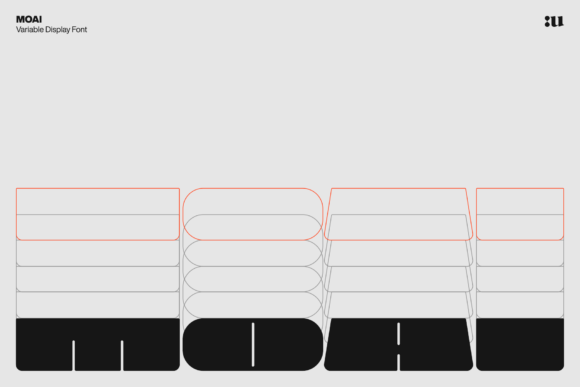
When it comes to creating visual impact, the right font can make all the difference. Moai is a display font that stands out with its bold, thick, and striking letterforms. Designed for maximum visibility and style, Moai is ideal for projects where you want to grab attention and convey strength. Whether you're working on a logo, a poster, or a brand identity, Moai offers a unique aesthetic that can elevate your design work.
But like any tool, Moai isn’t one-size-fits-all. Understanding how to use it effectively—and avoiding common pitfalls—can help you get the most out of this powerful font.
What Makes Moai Stand Out?
Moai is more than just a font; it's a statement. Its thick strokes and clean lines give it a modern, confident look that works well in both digital and print formats. The font’s design is inspired by the iconic moai statues of Easter Island, which are known for their strong, enduring presence. This connection to history and symbolism adds depth to the font’s character, making it more than just a visual choice—it’s a narrative tool.
Designers often choose Moai for headlines, titles, and other prominent text elements where clarity and impact matter. It’s particularly effective when used in contrast with simpler fonts, allowing it to shine as a focal point without overwhelming the overall design.
Common Mistakes When Using Moai
While Moai is a versatile font, some users may overlook key considerations that can affect the outcome of their projects. One common mistake is using Moai for large blocks of text. Its thick, bold structure is designed for short, impactful phrases rather than long paragraphs. Attempting to use it in body text can lead to readability issues, especially at smaller sizes.
Another frequent error is not considering the context of the project. Moai’s boldness may not be suitable for every design. For example, a delicate or minimalist layout might clash with the font’s aggressive style. It’s important to assess whether the font aligns with the tone and purpose of your work.
Overlooking Licensing and Usage Rights
Before downloading or purchasing Moai, it’s crucial to check the licensing terms. Some fonts come with restrictions on commercial use, redistribution, or modification. Failing to understand these terms can lead to legal complications down the line. Always verify that the version you’re using allows for the intended application, whether it’s for personal, professional, or commercial purposes.
How to Use Moai Effectively
To get the best results with Moai, start by identifying where it will have the most impact. Use it for headings, logos, or key visual elements where its boldness can be showcased. Pair it with complementary fonts that add balance and contrast. For instance, combining Moai with a sans-serif or serif font can create a dynamic and professional look.
Experiment with different weights and styles if available. Many display fonts offer variations that can add versatility to your designs. Testing Moai in various sizes and layouts will help you determine the optimal way to incorporate it into your work.
Realistic Examples and Better Approaches
Imagine you’re designing a promotional poster for a music festival. Using Moai for the event name can immediately draw attention and set the tone for the design. However, if you try to use the same font for the venue details or ticket information, the text may become hard to read. In this case, switching to a simpler, more readable font for the supporting content would improve the overall effectiveness of the poster.
Another example is a branding project for a tech startup. While Moai’s bold style could work well for a tagline or logo, it might not be the best choice for a website’s body text. Instead, using Moai for headings and subheadings while keeping the main content in a more traditional font ensures clarity and professionalism.
What to Check Before Using Moai
Before finalizing your design, consider the following factors:
- Readability: Test Moai at different sizes to ensure it remains legible.
- Context: Evaluate whether the font matches the tone and purpose of your project.
- Licensing: Confirm that you have the proper rights to use Moai in your specific application.
- Compatibility: Check that the font displays correctly across different platforms and devices.
These checks can prevent costly mistakes and ensure that your design meets your goals.
Final Thoughts on Moai
Moai is a powerful font that can add strength and style to your designs when used correctly. By understanding its strengths and limitations, you can avoid common pitfalls and make informed decisions about its application. Whether you're a designer, marketer, or business owner, Moai offers a bold and distinctive option for creating visually compelling work.
Remember, the goal is not just to use a cool font, but to use it in a way that enhances your message and connects with your audience. With careful consideration and practical application, Moai can become a valuable asset in your design toolkit.