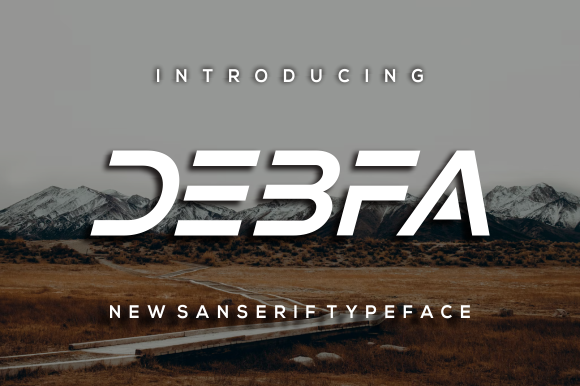
Debfa: A Bold and Stylish Display Font for Modern Design
Debfa is a display font that stands out with its confident, eye-catching style. Designed for impact, it’s ideal for projects where typography needs to command attention without sacrificing clarity. Whether you're working on product packaging, branding, or social media content, Debfa offers a unique visual identity that can elevate your creative work.
What Makes Debfa Stand Out?
Debfa is more than just a font—it's a design statement. Its bold strokes and clean lines give it a modern, sophisticated feel that works well in both digital and print formats. The font’s character set includes a wide range of glyphs, making it versatile for different languages and symbols. This flexibility ensures that Debfa can be used across multiple platforms and projects without compromising quality.
The font’s structure is carefully balanced, with consistent spacing and proportions that make it easy to read even at smaller sizes. While it’s primarily designed as a display typeface, its legibility makes it suitable for headings, titles, and short text blocks. This combination of strength and readability is what sets Debfa apart from many other bold fonts on the market.
Key Characteristics and Practical Applications
Debfa’s design emphasizes contrast and movement. The sharp angles and thick strokes create a dynamic visual rhythm that draws the eye. This makes it particularly effective for headlines, logos, and promotional materials where visibility is key. For example, a brand looking to create a strong first impression might use Debfa for their logo or website header to reinforce their message instantly.
Its versatility extends beyond traditional design fields. In the realm of social media, Debfa can be used to create eye-catching captions, banners, or profile pictures that stand out in a crowded feed. For wedding invitations or event posters, the font adds a touch of elegance and personality that complements the occasion.
When it comes to packaging design, Debfa can help products stand out on shelves. Its bold appearance makes it ideal for labels, tags, and branding elements that need to be visible from a distance. This is especially useful for small businesses or independent creators looking to make their products more noticeable in competitive markets.
Strengths and Usability
One of Debfa’s greatest strengths is its adaptability. It performs well in both high-contrast and low-contrast environments, making it suitable for a variety of backgrounds and layouts. Whether placed against a solid color, a gradient, or a textured image, Debfa maintains its visual integrity and impact.
Usability is another area where Debfa excels. The font is available in multiple weights and styles, allowing designers to fine-tune their designs for specific needs. This range of options means that users can find the right version of Debfa for their project, whether they need a heavy, attention-grabbing style or a slightly lighter variant for more refined applications.
Consistency is also a key factor in Debfa’s reliability. Each character is proportionally balanced, ensuring that text remains visually harmonious. This is especially important in long-form text, where uneven spacing or inconsistent sizing can detract from the overall aesthetic.
Real-World Performance and Considerations
In practice, Debfa holds up well in a variety of design scenarios. When used in large-scale print projects, such as magazine covers or billboards, it retains its sharpness and clarity. On digital screens, it renders smoothly across different resolutions and devices, making it a reliable choice for web and mobile interfaces.
However, like any bold font, Debfa may not be the best choice for extended body text. Its heavy weight and distinctive style are best reserved for shorter phrases, titles, or focal points. Using it for long paragraphs could lead to visual fatigue or reduced readability, depending on the context.
Designers should also consider the target audience when using Debfa. While its modern and striking appearance appeals to younger demographics, it may not align with more traditional or minimalist aesthetics. Understanding the brand’s voice and the audience’s expectations is crucial when selecting a font like Debfa.
Who Benefits Most from Debfa?
Entrepreneurs and small business owners who are building a brand identity often find Debfa to be a valuable asset. Its bold presence helps establish a strong visual identity, which is essential for standing out in crowded markets. For example, a new clothing line or tech startup might use Debfa in their logo or marketing materials to communicate confidence and innovation.
Marketing professionals and social media managers can also benefit from Debfa’s ability to capture attention. Whether creating ad copy, Instagram posts, or email newsletters, the font adds a layer of visual interest that can improve engagement. Its clean, modern look aligns well with current design trends, making it a smart choice for campaigns targeting a contemporary audience.
Creatives and designers working on editorial projects, such as magazines or blogs, may appreciate Debfa for its ability to add visual flair without overwhelming the reader. When used sparingly, it can serve as a powerful tool for emphasizing key messages or creating a distinct tone.
Final Thoughts on Debfa
Debfa is a font that delivers on both style and functionality. Its bold, modern design makes it an excellent choice for a wide range of creative and commercial projects. From branding to packaging, social media to event design, it offers a versatile solution that can enhance visual communication.
While it may not be the best fit for every situation, its strengths in visibility, consistency, and adaptability make it a worthwhile addition to any designer’s toolkit. For those looking to make a statement with their typography, Debfa provides a compelling option that combines creativity with practicality.
Ultimately, the decision to use Debfa depends on the specific needs of the project and the desired outcome. By understanding its capabilities and limitations, designers can make informed choices that align with their goals and audience expectations.