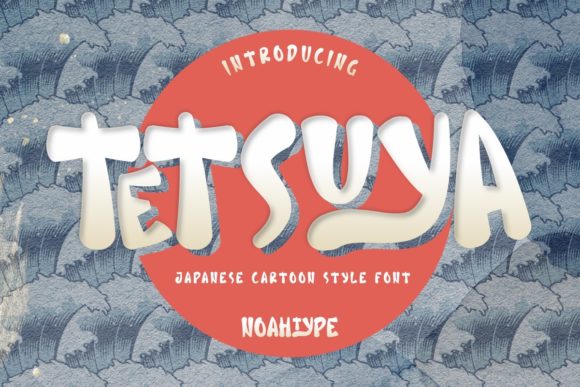
Tetsuya: A Bold, Retro-Styled Display Font for Impactful Design
When it comes to typography, the right font can make all the difference in how a message is perceived. Tetsuya is a display font that stands out with its bold, retro-styled, and thick lettering. Designed for maximum visual impact, this font is ideal for headlines, logos, and any project where you want to command attention. But while Tetsuya offers a unique aesthetic, there are several considerations to keep in mind before incorporating it into your design work.
Understanding Tetsuya’s strengths and limitations can help you avoid common pitfalls and ensure that your designs are both effective and professional. Whether you're a designer, marketer, or business owner, knowing how to use this font properly can elevate your creative output and save you time and effort down the line.
What Makes Tetsuya Unique?
Tetsuya is more than just a stylish font—it’s a powerful tool for creating a strong visual identity. Its thick, bold strokes and retro-inspired design give it a vintage feel that can evoke nostalgia or convey a sense of strength and confidence. This makes it particularly useful for branding, advertising, and any project that needs to stand out from the crowd.
The font is PUA encoded, which means that users can access all of its glyphs and ligatures without needing special software or encoding configurations. This feature makes Tetsuya versatile and user-friendly, especially for those who want to experiment with different typographic styles.
Common Mistakes When Using Tetsuya
While Tetsuya is visually striking, it's not always the best choice for every project. One of the most common mistakes is using it in body text. The thick lettering and retro style can be difficult to read when used in long paragraphs, leading to poor readability and a less professional appearance.
Another mistake is assuming that Tetsuya is a one-size-fits-all solution. While it works well for headlines and logos, it may not complement other fonts in a design. Pairing it with too many similar or conflicting typefaces can create visual clutter and reduce the overall effectiveness of the design.
Some users also overlook the importance of testing Tetsuya in different contexts. For example, if you're using it on a website, you need to ensure that it displays correctly across various devices and browsers. Failing to do so can lead to inconsistent appearances and a poor user experience.
How These Mistakes Can Affect Your Work
Using Tetsuya inappropriately can have real consequences. If you choose to use it in body text, readers may struggle to understand your message, leading to lower engagement and a negative impression of your brand. Poor readability can also hurt your SEO efforts, as search engines prioritize content that is easy to read and navigate.
Pairing Tetsuya with incompatible fonts can result in a chaotic design that fails to communicate your message clearly. This can be especially damaging in professional settings, where clarity and consistency are essential. Additionally, failing to test the font thoroughly can lead to technical issues, such as missing characters or incorrect spacing, which can be time-consuming to fix.
Practical Advice for Using Tetsuya Effectively
To get the most out of Tetsuya, start by using it in the right context. Reserve it for headlines, logos, and short phrases where its boldness and retro style can shine. Avoid using it for extended text, and instead pair it with a more readable font for body copy.
Before finalizing your design, test Tetsuya in different environments. Check how it looks on various screen sizes and devices, and ensure that it renders correctly in all browsers. This will help you avoid unexpected issues and maintain a consistent look across platforms.
Finally, consider the tone and message of your project. Tetsuya’s retro style may not be suitable for all brands or audiences. If you're targeting a modern, minimalist audience, a simpler font might be more appropriate. Always align your font choices with your overall design goals and brand identity.
What to Check Before Using Tetsuya
Before downloading or purchasing Tetsuya, verify that it meets your specific needs. Check the font’s licensing terms to ensure that it’s suitable for your intended use, whether personal, commercial, or for a client project. Some fonts may have restrictions on redistribution or modification, which could affect your workflow.
Also, review the font’s available glyphs and ligatures. While Tetsuya is PUA encoded, not all glyphs may be accessible in every application. Make sure that the font includes the characters and symbols you need for your project.
Lastly, consider the availability of support and resources. If you encounter issues or need guidance on how to use Tetsuya effectively, having access to tutorials, documentation, or community forums can be invaluable. This can save you time and prevent frustration during the design process.
Better Approaches to Working With Tetsuya
A better approach is to use Tetsuya strategically rather than relying on it for every design element. For instance, use it as a focal point in a logo or a headline, then complement it with a clean, readable font for supporting text. This creates balance and ensures that your message is both visually appealing and easy to understand.
Another effective strategy is to experiment with different weights and styles within the Tetsuya family. Many display fonts offer variations that can add depth and versatility to your designs. By exploring these options, you can create more dynamic and engaging layouts without sacrificing clarity.
Finally, don’t hesitate to seek inspiration from other designers who have successfully used Tetsuya in their work. Studying real-world examples can help you understand how to apply the font in different contexts and avoid common mistakes.